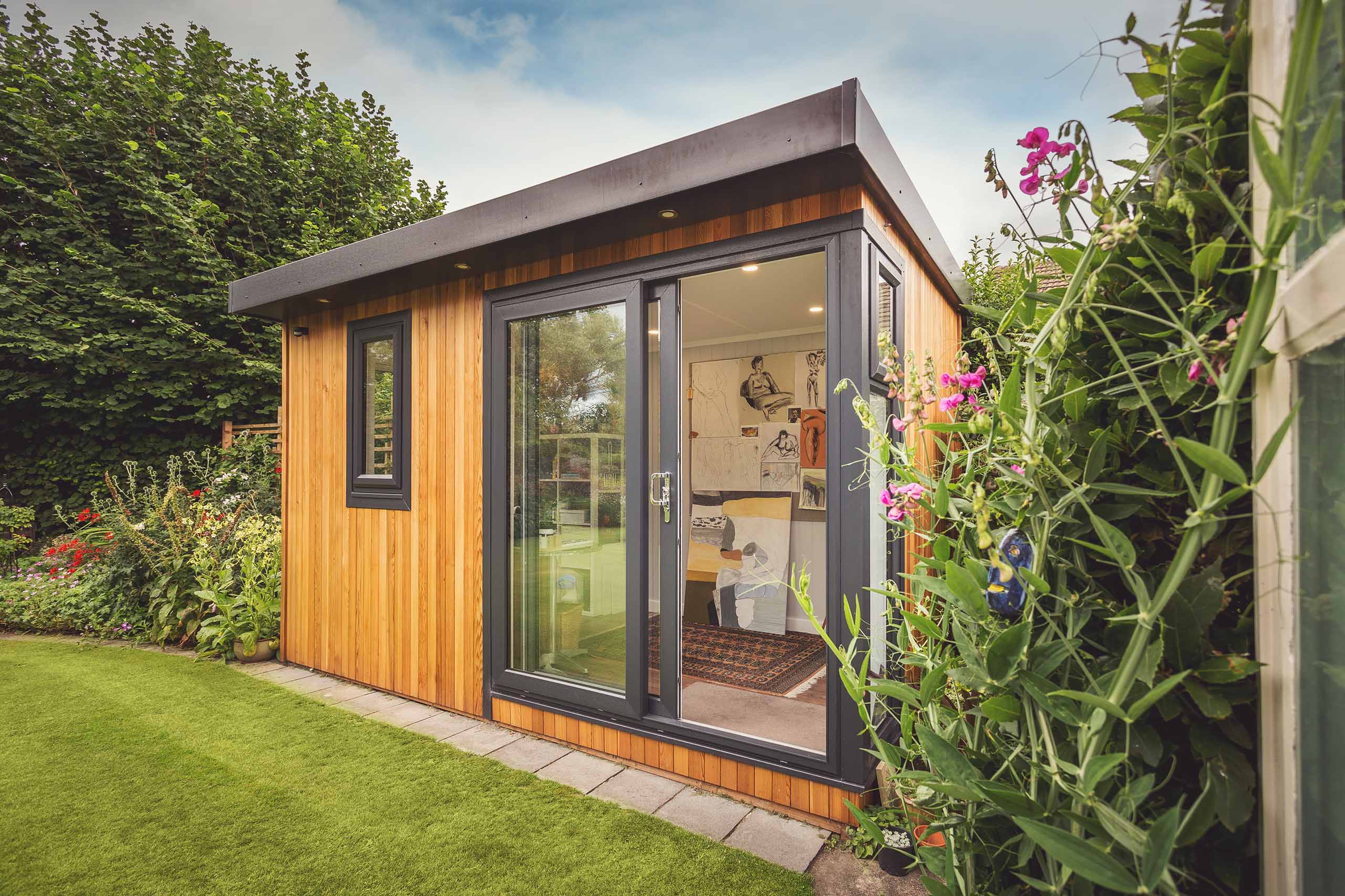
In most cases, you don’t need planning permission for a garden room in the UK, as long as it meets permitted development rules e.g. is under 2.5m high (if near a boundary), not used as a separate dwelling and takes up less than 50% of your garden. However, planning permission may be required in some situations – such as listed buildings, conservation areas or if you’re adding plumbing or sleeping accommodation. This guide covers when permission is needed, the rules around size and use and how Country Garden Rooms can help you navigate the process.
Adding a garden room to your home is an exciting prospect. It offers flexible, stylish space without the disruption of a traditional extension. But before your vision becomes a reality, it’s wise to take time to consider the planning considerations.
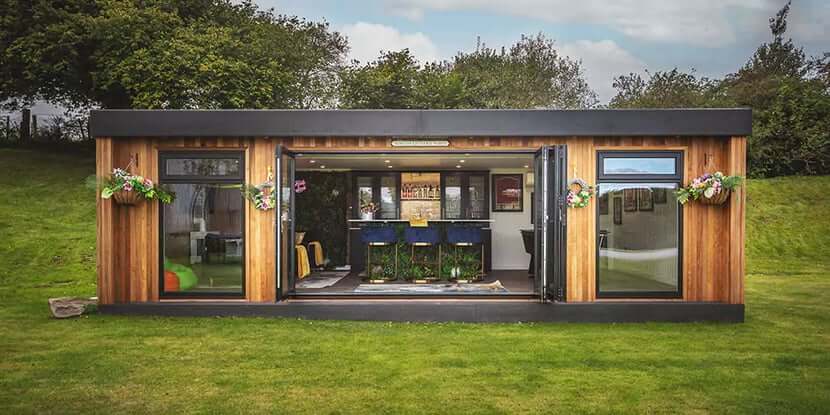
Most Garden Rooms Don’t Need Planning Permission
In most cases, garden rooms fall under Permitted Development Rights, which means you can install one without applying for full planning permission.
To qualify, your garden room must meet certain conditions. The most important are:
- It must be single-storey
- It must not exceed 2.5 metres in height (if within 2m of a boundary)
- It cannot take up more than 50% of your garden space
- It must not be used as a separate, self-contained dwelling
If your project meets these rules, planning permission usually isn’t needed.
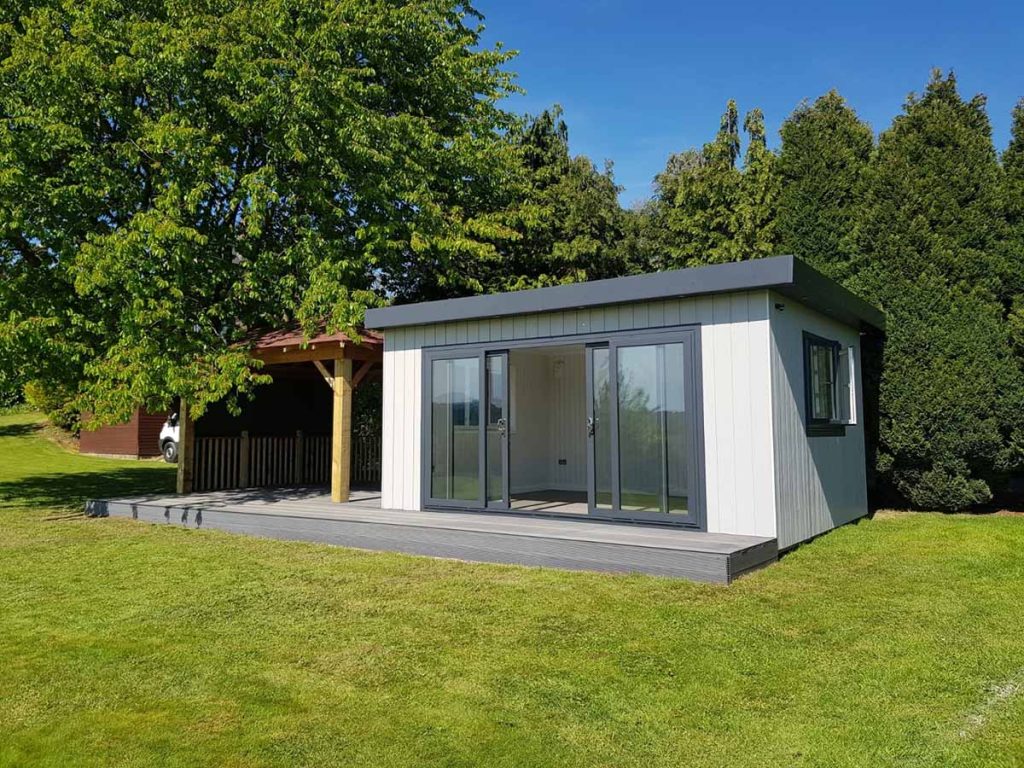
Understanding Permitted Development for Garden Rooms
Permitted development is a set of rules that allow you to carry out certain types of work on your residential property without needing formal planning permission or approval. Garden rooms typically fall under this category, especially when used for hobbies, home offices, gyms or treatment rooms.
Key Size and Placement Rules:
- Maximum height: 2.5m if within 2m of a boundary; up to 4m for pitched roofs elsewhere.
- Eaves height: no more than 2.5m.
- Total area: must not exceed 50% of the original garden (excluding the house footprint).
- Use: must be ‘incidental to the enjoyment of the home’ i.e., not for permanent living.
When You Will Need Planning Permission
Although most garden rooms are exempt, there are cases when you’ll need to apply for planning permission before you can install your garden building:
1. You Live in a Listed Building or Designated Area
If your home is in a Conservation Area, National Park, Area of Outstanding Natural Beauty (AONB), or is a Listed building, then permitted development rights may not apply, or may be restricted.
2. You Want to Use It as Self-Contained Living Accommodation
If your garden room will include sleeping space, a full kitchen, or be used as a permanent separate home, planning permission is almost always required. If you plan to use your garden room for occasional overnight guests this usually still falls within permitted development.
3. The Garden Building Exceeds the Size Limits
If your building is over 2.5m high and / or within 2m of a boundary you may need to apply. It is also important to remember the 50% rule – if your garden building is going to take up more than 50% of your garden space, planning permission may be required, regardless of total size or height.
Building Regulations vs Planning Permission: What’s the Difference?
Planning permission is about how your building looks and affects your neighbours and surroundings. Building Regulations, on the other hand, cover how it’s built – the materials, structure, insulation, electrics, fire safety, etc.
At Country Garden Rooms, all our buildings are constructed to high standards, and we’ll advise you if building regulations approval is needed for your specific project. For example:
- If your garden room is over 30m²
- If it contains sleeping accommodation
- If it’s attached to your house
In most typical cases, for garden rooms under 30m² with no beds or bathrooms, building regs approval is not required. We can build our garden rooms to comply to building regulations so if this is required, it’s no problem!
Do You Need Permission for Plumbing or Electrics?
Electrical work within a garden room is usually covered under Part P of Building Regulations and may need to be signed off by a qualified electrician (which we always provide).
For water and drainage (e.g. if you want a toilet or sink), you may need planning and building control approval. We offer full guidance if you’re looking to install a fully plumbed annexe, treatment room or studio with water access so this can discussed in the design stage.
What If I Want to Use My Garden Room as a Business?
If your garden building is being used for business purposes e.g. an office, like a salon, therapy room, studio, or consultancy – it may well still fall under permitted development.
But if there is going to be high footfall from customers, increased traffic or noise to your property or, a clear shift in residential use, then planning permission may be required. We always recommend checking with your local council if you’re unsure.
Real Advice from a Trusted Team
At Country Garden Rooms, we’ve supported hundreds of homeowners through the process of designing, planning, and building their dream space. We offer:
- Free site visits and consultations
- A 3D design service to visualise your space and layout
- Full turnkey installation, usually completed within 3–5 days
- Guidance on planning we’ll help you check if your project needs permission
Our experienced and qualified team has extensive knowledge of local planning rules across the South West and we’re happy to offer advice and guidance.
To order your garden room call us or visit us at our show site.
Garden Room Planning Permission FAQs
Do I need planning permission for a garden room with a toilet?
Yes, usually. Adding plumbing often triggers building control requirements, and you may need planning permission depending on size and intended use.
Can I build a garden room in a conservation area?
Not without first checking with your local planning authority. Restrictions often apply, and permitted development rights may be removed.
Can I sleep in my garden room?
Occasional sleeping (e.g. for guests) is usually fine, but permanent or regular sleeping use makes it a residential annexe—and that requires planning.
Can I build a garden room in front of my house?
In most cases, permitted development rules only allow outbuildings like garden rooms to be built to the side or rear of your main house. Placing a garden room forward of the principal elevation (i.e. in front of your house) typically requires full planning permission, as it alters the appearance of your property from the street. If you’re considering a front garden installation, it’s best to check with your local planning authority.
Does my garden room need Building Regulations approval?
Many garden rooms fall outside the scope of Building Regulations, especially if they’re under 15m² in internal floor space and not used for sleeping. However, larger structures (over 30m²), rooms with plumbing, or spaces used for overnight stays may require Building Regulations approval. At Country Garden Rooms, we offer a turnkey service, including insulation, electrics, and structural integrity that meets or exceeds Building Regs standards—even if formal approval isn’t required.
Next Steps? Let Us Help You Get It Right
If you’re dreaming of a garden room but unsure whether planning permission applies, we’re here to help. Book your visit to our show site in Taunton and we’ll assess your site, needs and give you honest advice on whether permission is required and how to move forward.
Want to get started?
Call us on 01823 617797 or book a visit to our show site.